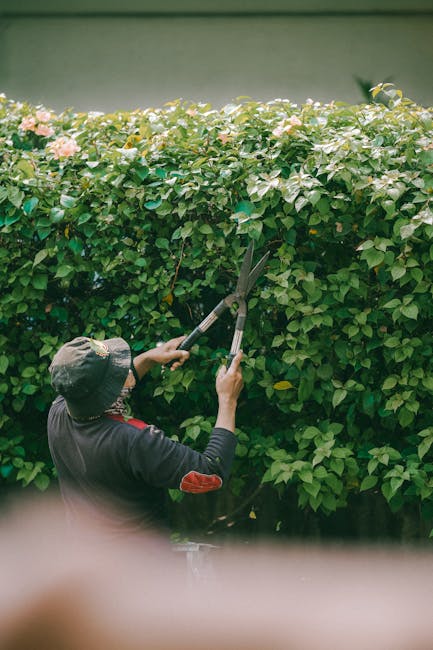
Hedge Trimming in Anerley

Hedge trimming in Anerley should leave garden boundaries neat, healthy and shaped with care, whether the hedge is a formal screen, a mixed boundary or part of a wider garden maintenance plan. Our work focuses on tidy reductions, controlled shaping and regular upkeep so the growth stays manageable through the seasons. For homeowners and landlords alike, a well-cut hedge can improve light, define outdoor space and keep paths, fences and views clear without stripping away the natural character of the planting.
We handle hedge trimming as a practical garden service rather than a one-size-fits-all cut. Different species need different treatment, and the right approach depends on how dense the hedge is, how quickly it grows and the finish you want. Some hedges benefit from a light clip to keep a crisp line, while others need a more selective reduction to restore balance after a long gap between cuts. If you need a straightforward starting point, our services overview is a useful place to see the broader range we cover.
Request a quotation when you are ready to plan the work, and we can discuss the hedge’s height, access and condition. For customers who want to understand how prices are prepared, the pricing and quotes page gives a clear guide to the sort of details that help shape an accurate estimate.
Regular hedge cutting for a cleaner finish

Routine hedge cutting is often the difference between a boundary that looks controlled and one that becomes heavy, uneven or difficult to manage. A regular trim keeps growth dense at the base, encourages a more even outline and helps prevent the hedge from encroaching on lawns, drives or neighbouring spaces. We can work to a straightforward rectangular form, a softer curved profile or a more natural edge, depending on the planting and the look you want to maintain.
When a hedge is trimmed consistently, the results are usually better than waiting until it has outgrown the available space. Light, frequent cuts are often preferable for ornamental hedges and for screening that needs to stay compact. In practice, the main decisions are about timing, finish and how much material should be removed on each visit. If you would like to compare hedge trimming with other outdoor work, our garden maintenance page sets out a wider view of routine care.
For many gardens, the most useful question is not simply how often a hedge should be cut, but what finish best suits the site. A privacy hedge may need height retained while the sides are tightened, whereas a decorative front boundary may need sharper lines and a lower profile. Good trimming is measured and deliberate, helping the hedge keep strength without looking overworked.
Shaping, reductions and tidy boundary lines

Some hedges need more than a maintenance cut. They may have become top-heavy, widened beyond their intended line or started to cast too much shade over beds and lawns. In those cases, shaping or a careful reduction can restore balance while still respecting the plant. The aim is to improve structure and appearance without making the hedge look cut back too severely. We can also help bring different sections back into line so the whole boundary looks consistent.
There is a difference between a trim that refreshes growth and a reduction that changes the overall size. A reduction normally calls for more judgement because the hedge must be left healthy enough to recover well. That is why it helps to look closely at the current shape, the species involved and the amount of material to be removed before the work begins. If you want to see how wider landscape work fits around this service, the landscape gardening page gives a broader picture of our outdoor services.
Not every hedge needs the same finish at every side. One side may face a public path, another may be hidden behind planting, and the top may need a different approach again. A tailored cut allows those differences to be respected, so the hedge still functions well while looking neat from the parts that matter most.
Hedge care for mixed planting and seasonal growth
Hedges often grow alongside shrubs, climbers and other garden features, which means trimming needs to be done with an eye for the whole border rather than the hedge alone. We can work around planted areas, keep access routes clear and shape growth so it sits comfortably with the rest of the garden. This is especially useful where the hedge forms part of a deeper planting scheme and the outline needs to stay smart without crowding nearby beds.
Different species also create different practical needs. Faster-growing hedges may need attention more often to stop them losing form, while slower-growing ones may require less frequent but more careful attention. We do not assume every hedge should be treated the same way. Instead, we focus on a result that suits the plant, the layout and the intended use of the space. For customers who want to combine hedge work with other tidy-up tasks, garden clearance may be relevant where overgrowth and unwanted cuttings are part of the job.
Good hedge care is also about what is left behind after the cut. A neat finish to the hedge itself still benefits from the surrounding space being left manageable, with clippings gathered and the area tidied so the garden can be used properly again. That practical finish is part of what makes hedge trimming feel complete rather than partial.
What influences a hedge trimming quotation

Quotations for hedge trimming are usually shaped by a few practical details rather than a single simple measure. Height, length, access, hedge density and the amount of reduction needed all affect the time and effort involved. A long, dense hedge with limited access may take more planning than a shorter hedge with clear working space. That is why an accurate quotation is best based on the actual condition of the hedge rather than on a broad assumption.
It can also help to think about the desired finish before asking for a price. Some customers want a light maintenance trim, while others need a significant tidy-up and redefinition of the hedge line. Clear expectations make it easier to match the work to the garden. If you want to compare hedge work with other tree and branch services, tree lopping and removal may be useful when the problem extends beyond the hedge itself.
A concise enquiry is usually enough to begin. Details about the hedge’s approximate length, whether all sides are accessible and whether there are nearby obstacles can all help. Request a quotation when you are ready, and we can talk through the work in a straightforward way before anything is arranged.
Keeping hedges manageable through the year

Many customers prefer to keep hedges manageable through planned maintenance rather than waiting for a major cutback. This approach can make the garden look tidier for longer and often avoids the need for heavier work later on. A sensible trimming schedule depends on growth rate, hedge type and the look you are trying to preserve, so the best interval is often specific to the planting rather than fixed in a one-size-fits-all rule.
There are times when a hedge benefits from a gentler approach, especially if it has not been touched for a while. In those cases, it may be better to improve shape gradually rather than remove too much at once. The aim is to protect the plant while returning the boundary to a usable condition. Where other garden tasks are needed at the same time, lawn mowing can be a sensible companion service for keeping the wider space in order.
If you are deciding how to maintain a hedge over the months ahead, the main priorities are usually appearance, privacy and plant health. A thoughtful trim can support all three without creating unnecessary stress on the hedge. Ask for a quotation when you want a clear plan for the next cut, and we can help you choose the most suitable level of work.
Working neatly around fences, paths and other features
Hedge trimming often needs to be carried out close to fences, walls, paths, sheds and established planting. That makes careful handling essential, especially where the hedge has grown into tight corners or overhangs a boundary line. A tidy result depends not only on the cut itself but also on working in a way that respects the surrounding features and leaves the space looking intentional rather than rushed.
Where garden features sit close to the hedge, the finish may need to be adjusted to suit the available room. A slightly softer line may be more practical than an aggressive cut if the hedge sits close to fragile borders or narrow access routes. If your plans also involve improving beds, edges or layout, our landscaping page may be helpful for understanding the broader garden work we support. Careful trimming can sit comfortably within that wider picture.
It is often the small details that make a hedge look properly maintained: even lines, balanced corners and a clean edge where the growth meets the rest of the garden. Those details matter because the hedge is usually one of the most visible parts of an outdoor space, especially from the street or along a main path.
About Anerley
Anerley is a district in the London Borough of Bromley, in south-east London, known for its position on the rising ground between Crystal Palace and Penge. The name is usually traced to the Scots word meaning “solitary†or “lonelyâ€, a reminder of the area’s earlier open setting before suburban development transformed it in the nineteenth century. One of the most significant landmarks is Crystal Palace Park to the north-west, whose landscaped grounds, lake and historic features have long influenced the wider local character. The area also sits close to the route of the former Croydon Canal, an important but short-lived early nineteenth-century waterway that was later replaced by railway development. Anerley station, opened in the 1830s and rebuilt over time, reflects the district’s longstanding connection with transport growth and suburban expansion. Around the area, Victorian and later residential streets show the layered history of development, while nearby green spaces provide a contrast to the denser urban fabric. The local setting mixes everyday residential life with access to bigger landmarks, making it part of a broader south London landscape shaped by movement, housing growth and changing public space. Its streets and open areas together give the district a clear identity within the borough, while still linking it to neighbouring places through roads, rail and parkland.
Garden clearance that supports a tidy hedge line
When hedges have been left for a while, the area beneath and around them can collect cuttings, weeds, dead material and other debris. A hedge trim then works best when the surrounding space is cleared enough for the boundary to be seen properly and for the finish to look deliberate. That is one reason garden clearance can matter alongside trimming: it removes clutter that hides the hedge line and makes the whole area easier to manage afterwards.
Clearance work is not the same as a simple cut, and it is not needed in every garden. But where growth has spread or seasonal debris has built up, clearing the surrounding area can make the hedge feel like part of a cared-for garden again. For broader property upkeep, about us gives a general introduction to our business pages, while our garden clearance page is more relevant if the hedge sits among heavier garden waste or overgrowth.
It is usually helpful to think about the hedge and the ground around it together. A hedge may look neat from a distance, but if the base is blocked by weeds or the clippings are left behind, the overall result will not feel complete. A tidy boundary line is therefore as much about surrounding space as it is about the branches themselves.
Choosing the right approach for your hedge
Different hedges need different levels of care, and the most suitable approach depends on what the hedge is meant to do. Some are planted for privacy, some to frame a front garden, and some simply to give structure within a mixed border. The right trim respects that purpose. A privacy hedge may need height retained and sides tightened, while a decorative hedge might need sharper shaping to keep its form crisp and attractive.
We can also look at hedge work in relation to other outdoor improvements where useful. For example, if a garden needs both structure and finish, a combination of trimming and planting adjustments may be more practical than handling each element separately. In those cases, decking services are not a substitute for hedge work, but they can be part of a wider plan for outdoor space where hard landscaping and planting both matter. The key is to choose work that supports the way the garden is used.
When you are ready to take the next step, keep the request simple and focused on the hedge in question. A short description of the condition and the finish you want is usually enough to begin. Request a quotation if you would like the work assessed for your garden and discussed in a practical way.
Final planning for a clean, balanced result
A successful hedge trim is usually the product of sensible planning rather than heavy cutting. That includes deciding how much to remove, where the final line should sit and how the work fits with the rest of the garden. A hedge that is trimmed with restraint often keeps its strength and shape better than one that is taken too far in a single visit. The finished result should look balanced, with the hedge still doing the job it was planted to do.
If you are comparing different kinds of outdoor maintenance, it may help to review the wider scope of services available before making a choice. Our services overview can help you place hedge trimming alongside other useful work, while the contact us page is the right destination when you are ready to send an enquiry about a quotation. Keeping the request clear and direct helps the process move forward smoothly.
Request a quotation today if you want hedge trimming in Anerley arranged with care, and let us know the hedge’s size, access and preferred finish so the work can be discussed properly. A well-timed trim can keep the garden looking orderly, protect the hedge’s shape and make the whole boundary easier to live with.